
I didn’t like the lack of tack-sharp focus, so I replaced the last post with this one.
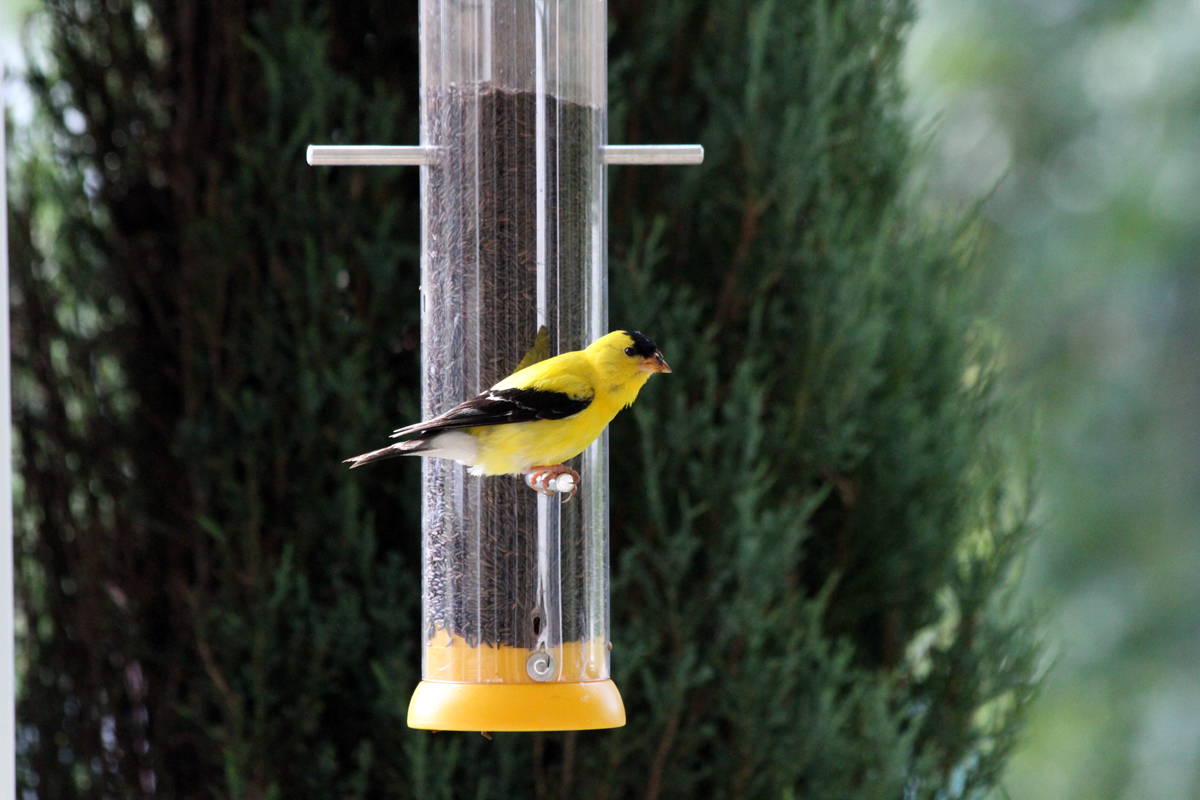
I didn’t like the lack of tack-sharp focus, so I replaced the last post with this one.
Specs: Canon 7D with EF 70-300 1:4-5.6 IS USM at 300 mm f/6.3 1/50 sec
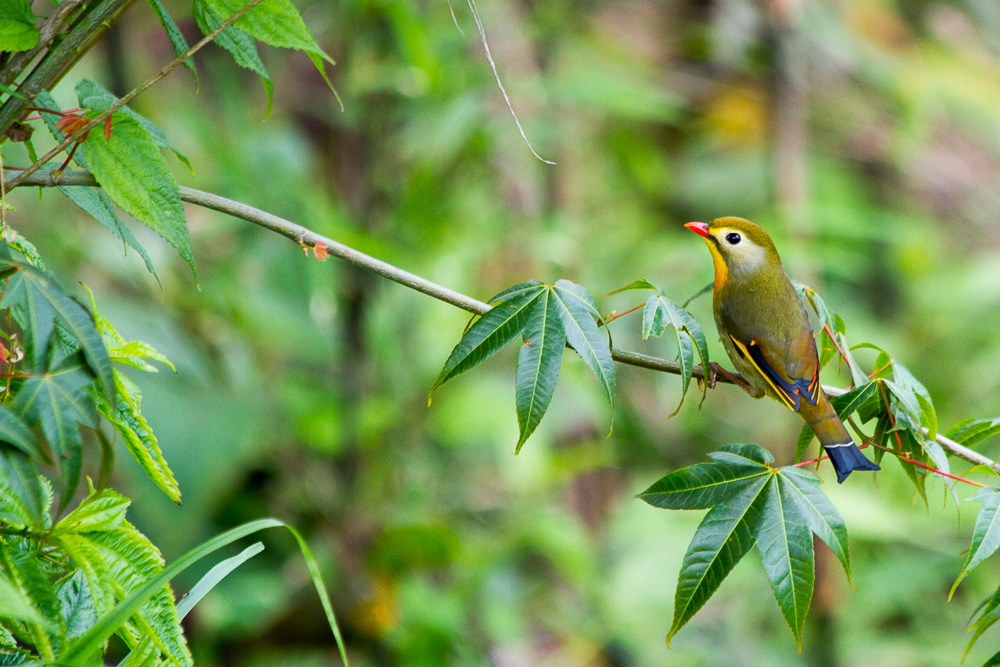
I decided to return and capture this beautiful kingfisher on a sunny morning. I also used a Tamron 2x converter with my 70-300 Canon lens on the 7D. I think it is a better photo than the last one I posted. Some of you may say,”another bird!”
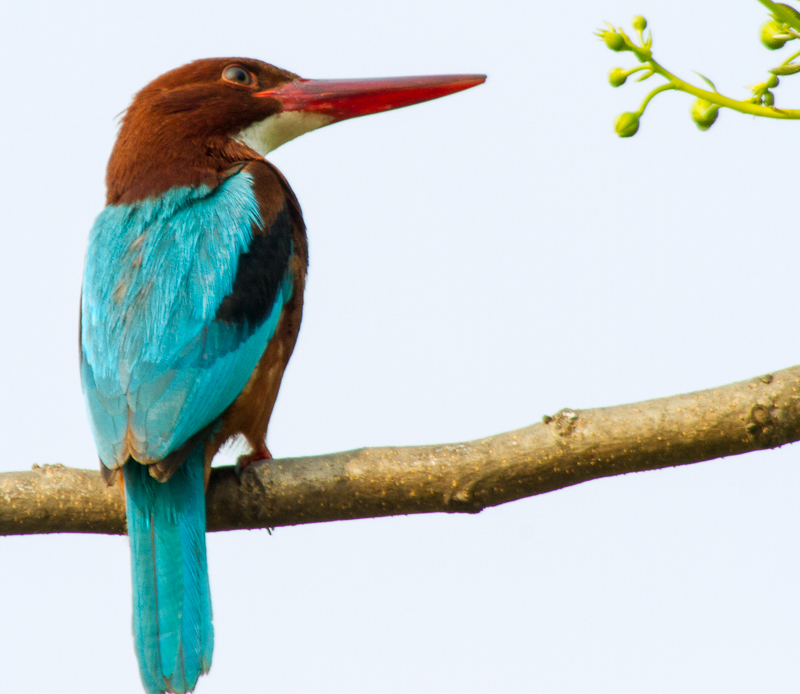
Where are the Fish?
I’ve seen this bird most mornings at 5:45 on our morning walk around the Parliament building. It too dark to photograph plus I don’t have my camera with me. Today I decided to return later in the day. I waited 10 minutes and gave up and headed home. I had only taken 30 steps down the sidewalk when I saw this kingfisher swooping down on the water before perching in this tree. I retreated and got some photos with a 70-300mm canon lens on my 7D camera.
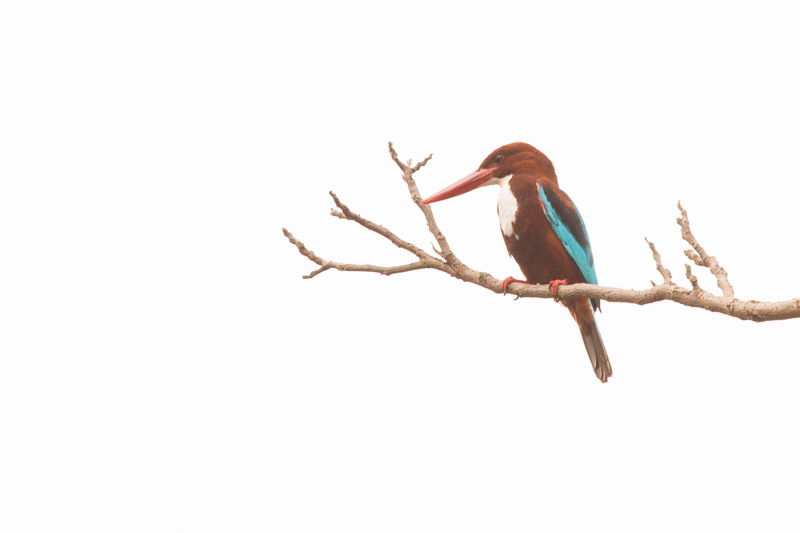
White-Throated Kingfisher
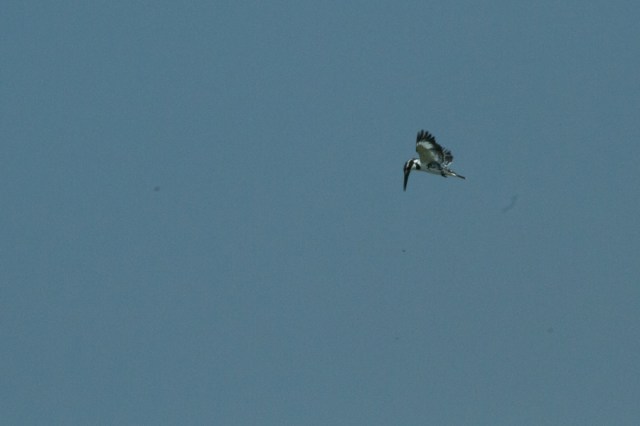
I managed to capture this shot while the kingfisher was hovering, waiting to dive into the water!
I saw these ducks at Jahanagirnar University. I would love if someone would confirm whether they actually are Lesser Whistling Ducks! And maybe the ducks on the water are not the same as the ones in the air?
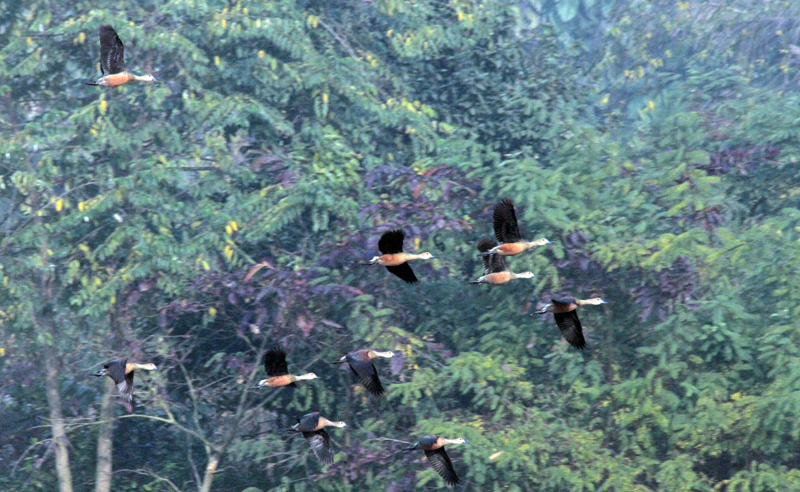
In Flight!

On the Water!
It was a pleasure to go birding with Ronald Halder, James Pender, and a professor from the university. I also verified the bird in the book Ronald gave me, A Photographic Guide to BIRDS OF BANGLADESH.
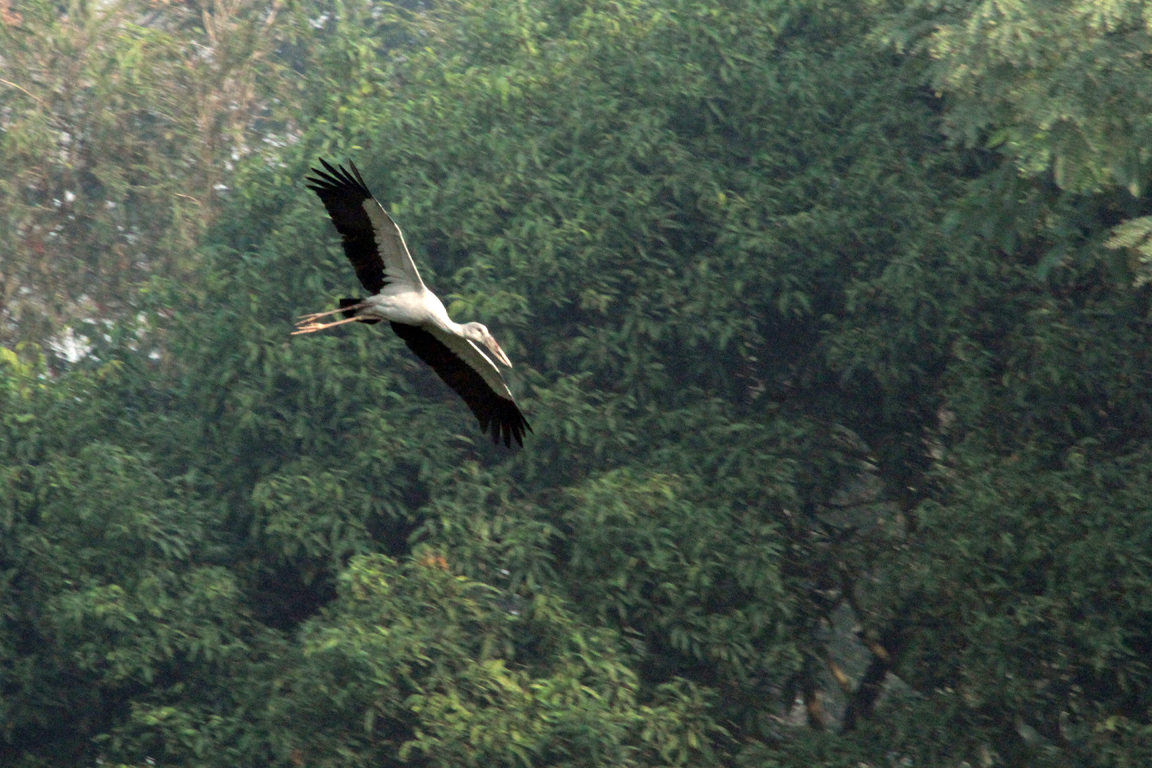
Flying Asian Openbill
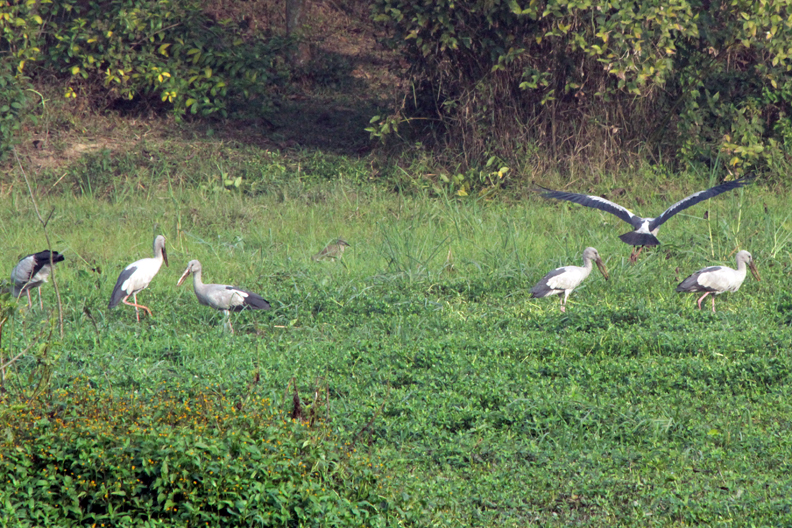
Grazing Asian Openbills
MALE KOEL SIGHTED ON THE PROSHIKHA TRAINING CENTER PROPERTY NEAR MANIKGANJ, BANGLADESH!
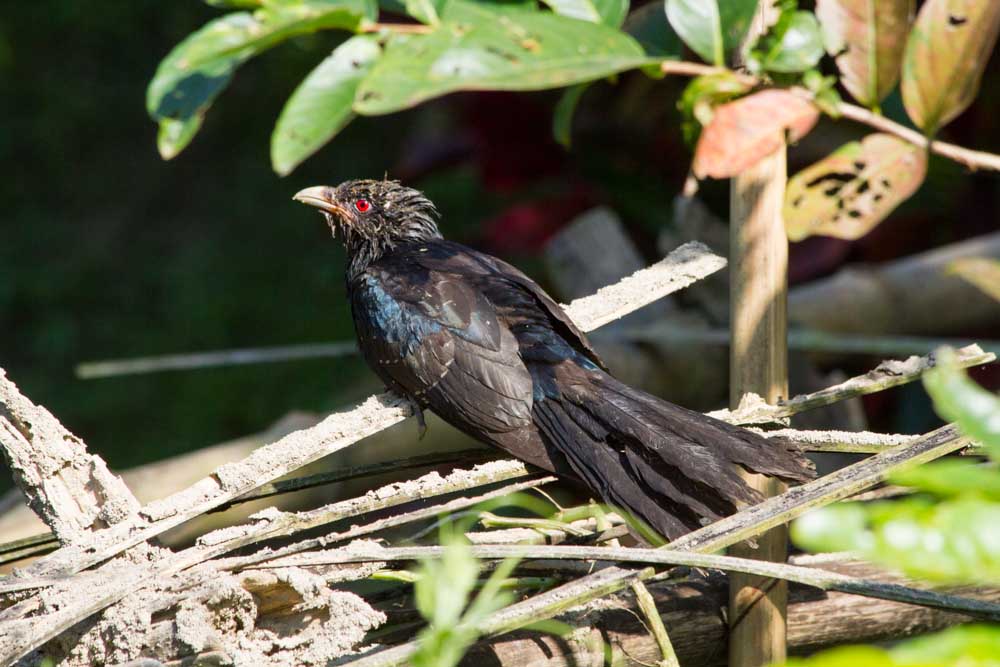
KOEL
This fish eagle along with its partner has a nest in a tree beside a pond at the Proshikha Training Center property near Manikganj, Bangladesh.
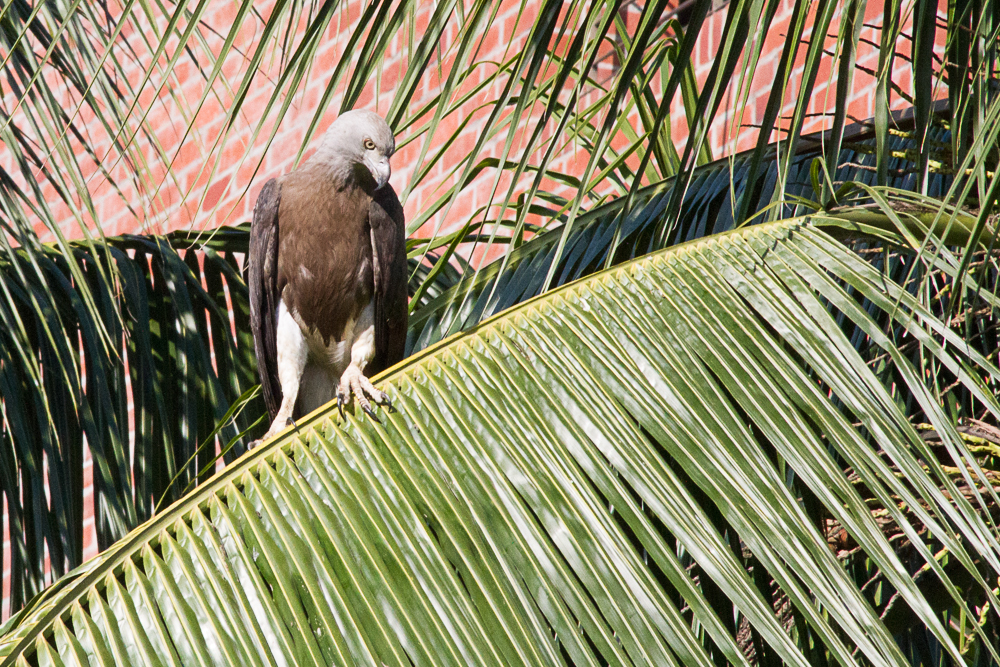
What’s for lunch?
COMING HOME TO A “HONEY DEW” LIST! I knew Alice, my wife said she had a list for me when I arrived after being gone three weeks. I thought it was going to be a long To Do list. She surprised me with this list, which I thought was a very special homecoming gift.
What I missed!
Marland
Your Love
Your Smile
All your Bengali Relationships
Your Shopping
Running Errands
Helping Me
Walking With Me
Encouraging Me
Just Being
Zest for New Experiences!!!
A big thanks to my wife for this special list!!
The Sarus Crane (Grus antigone) is a large non-migratory crane found in parts of the Indian Subcontinent, Southeast Asia and Australia. The tallest of the flying birds, standing at a height of up to 1.8 m (5.9 ft),[3] they are conspicuous and iconic[4] species of open wetlands. The Sarus Crane is easily distinguished from other cranes in the region by the overall grey colour and the contrasting red head and upper neck. They forage on marshes and shallowwetlands for roots, tubers, insects, crustaceans and small vertebrate prey. Like other cranes, they form long-lasting pair-bonds and maintain territories within which they perform territorial and courtship displays that include loud trumpeting, leaps and dance-like movements. In India they are considered symbols of marital fidelity, believed to mate for life and pine the loss of their mates even to the point of starving to death. The main breeding season is during the rainy season, when the pair builds an enormous nest “island”, a circular platform of reeds and grasses nearly two metres in diameter and high enough to stay above the shallow water surrounding it. Sarus Crane numbers have declined greatly in the last century and it has been estimated that the current population is a tenth or less (perhaps 2.5%) of the numbers that existed in the 1850s. The stronghold of the species is India, where it is traditionally revered and lives in agricultural lands in close proximity to humans. Elsewhere, the species has been extirpated in many parts of its former range. From Wikipedia
I was able to get this photo in Northwestern Cambodia last week. I took it with a Canon XTI (400D) camera, CAnon 70-300 mm lens with a Tamron 2x converter. This is as close as I could get. They seemed to be maybe 400 yards away. I suspect the photo would have been sharper had I used a tripod, and a Canon 2x converter.
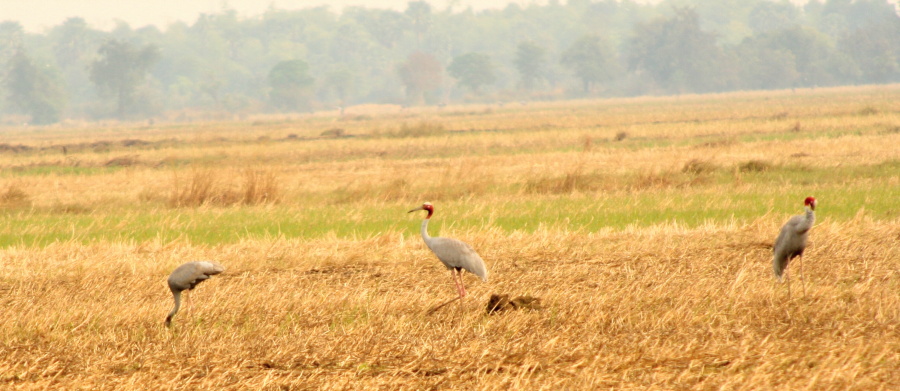
These Sarus Crane were in a rice field Northwest of Siem Reap.

 The Camerist's Collection